In Uganda’s Wakiso District, a community initiative is helping young people and women turn practical skills into livelihoods. From graduates establishing their own businesses to former trainees helping others learn, the Nabweru Community Initiative for Youth Empowerment shows how vocational education can create opportunities beyond the classroom.
For Phiona Nanono, learning hairdressing opened the door to running her own business. A single mother living in Uganda’s Wakiso District, she established a salon after completing vocational training, giving her a source of income to support herself and her child.
Another graduate, Lubega Fred, has used the skills he acquired to establish an income-generating business and contribute to his family’s financial security.
Both received training through the Nabweru Community Initiative for Youth Empowerment (NCIYE), founded by Benson Baguma. The organisation provides practical vocational training to young people and women, particularly those facing barriers to employment.
NCIYE began graduating trainees in February 2023 and reports having supported more than 2,000 young people and women through its vocational skills initiatives.
From training to enterprise
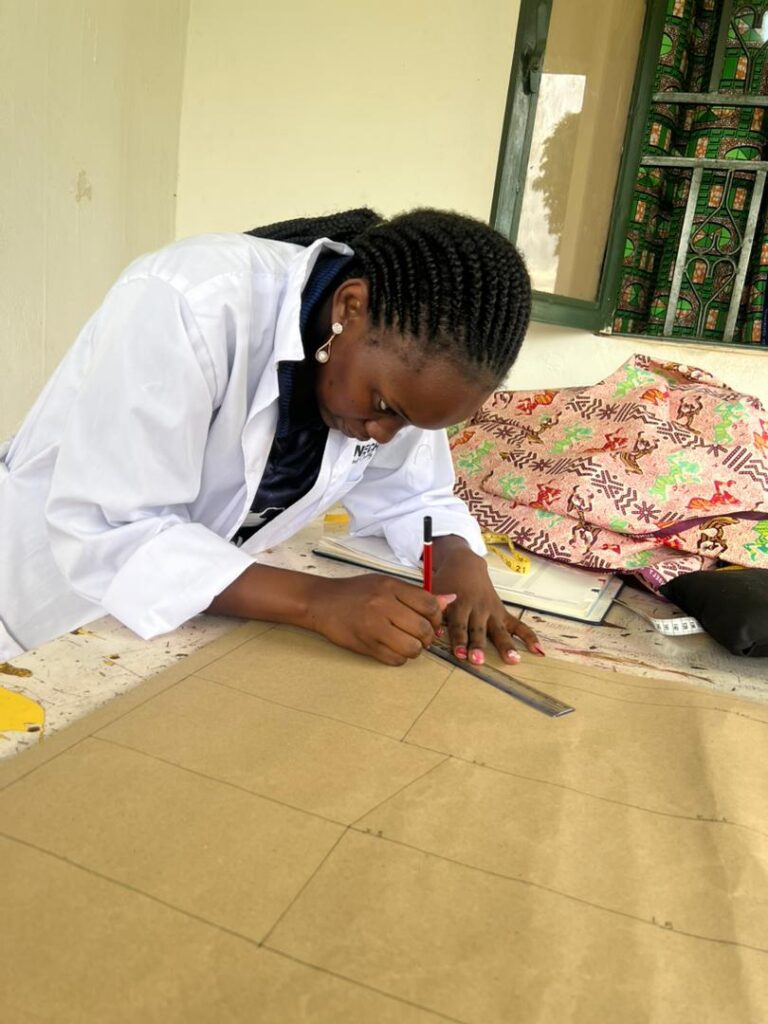
According to Baguma, graduates have gone on to establish businesses in hairdressing, tailoring, fashion design and carpentry, while others have found employment or income-generating opportunities through community partnerships.
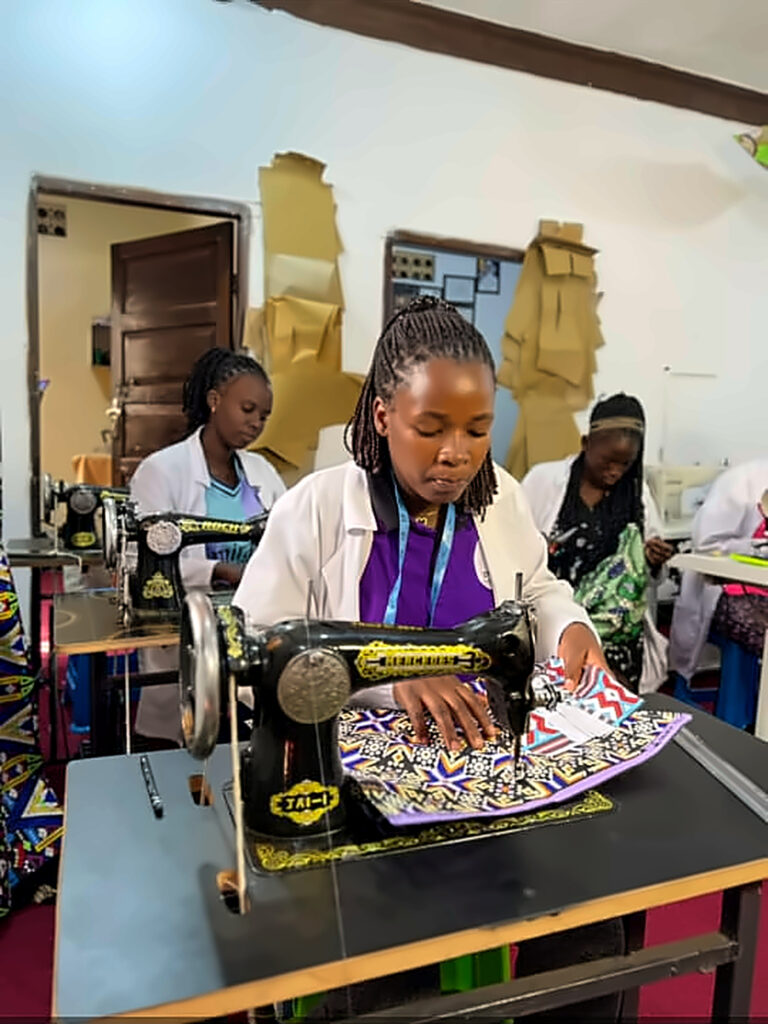
One example is the production of school uniforms, mattress covers and other textile products for partner schools. NCIYE has helped connect graduates trained in fashion and design with these opportunities, enabling them to apply their skills to real orders while gaining experience of working with customers.
Some graduates have also begun employing other young people, while others have returned to support NCIYE’s training activities by mentoring new participants and sharing their expertise.
In this way, the benefits of vocational education can extend beyond individual graduates, with skills being passed on to others in the community.
For Baguma, the objective is not simply to help people complete courses, but to equip them with capabilities they can use to pursue employment, establish businesses and become economically independent.
The importance of practical learning
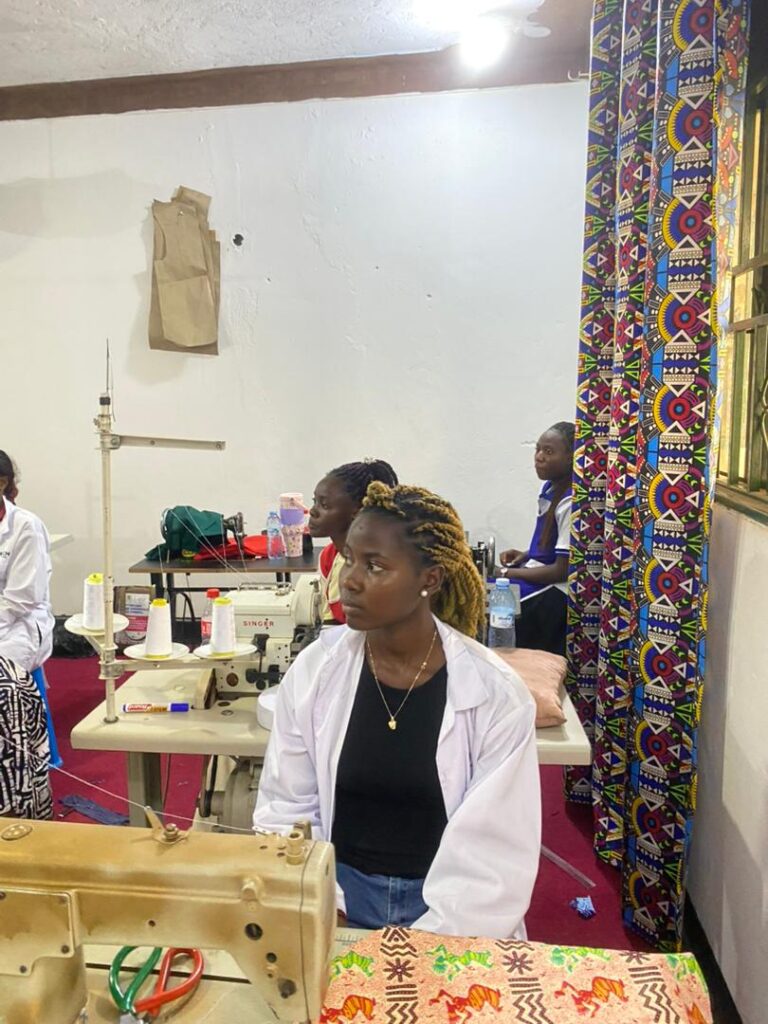
NCIYE provides training in tailoring, fashion design, hairdressing and carpentry, combining hands-on instruction with an emphasis on entrepreneurship. Its wider activities also include digital skills and ICT training, reflecting the growing importance of technological capabilities alongside traditional vocational skills.
The approach reflects an important reality of vocational education: learning a practical trade requires more than theoretical knowledge. Trainees need opportunities to work with equipment, practise techniques and develop the confidence to apply their skills independently.
However, sustaining this kind of training presents challenges.
Baguma identifies limited training space as one constraint on the number of people NCIYE can accommodate. The organisation also needs additional sewing machines, carpentry tools and computers, alongside the materials required for regular practical sessions.
A further challenge arises when graduates complete their training. Some need basic tools or starter kits to begin working independently, even when they have acquired the necessary skills.
These are significant considerations for vocational education more broadly. Access to training matters, but so does the ability to put newly acquired skills to work.
Skills that reach beyond the individual
For women and young people, particularly those with limited access to formal employment, vocational training can offer routes to greater economic independence.
Phiona Nanono’s experience illustrates this in practical terms. The salon she established after completing her training now provides an income that helps her care for her child and meet essential household expenses.
The benefits can also extend into the wider community. When graduates establish enterprises, take on employees or help train others, they contribute to the circulation of knowledge and create additional opportunities.
NCIYE maintains contact with former trainees through community engagement and follow-up activities, including communication with trainers and observations of graduates’ businesses. This helps the organisation understand how trainees are applying their skills and where additional support may be needed.
Its experience highlights the importance of looking beyond training completion figures to understand what happens afterwards: whether people can find customers, establish viable enterprises and build livelihoods that last.
From human capital to shared prosperity
The relationship between practical learning and economic opportunity is central to the theme of eLearning Africa 2027, Africa’s Knowledge Power: From Human Capital to Shared Prosperity, which will be explored in Lomé, Togo, from 26–28 May 2027.
NCIYE’s work offers a local perspective on that broader discussion. It illustrates how community-based vocational education can help people apply their knowledge in ways that respond to immediate economic needs, while highlighting the importance of continued access to equipment and opportunities after training.
It also demonstrates the role that graduates themselves can play, not only as beneficiaries of education but as entrepreneurs, employers and people who pass their skills on to others.
For the young people and women participating in Nabweru’s training programmes, the value of learning lies not simply in acquiring a qualification, but in what that knowledge enables them to do.
When those skills support families, generate employment and create opportunities for others, their value reaches well beyond the individual.
Further information:
Website: www.nabweruyouth.org
Tel/WhatsApp: +256 703 719 652
Photographs: NCIYE