With just under eight weeks to go until we gather for eLearning Africa 2026, Ghana presents itself not only as a host country, but as a destination of considerable depth and variety. From its Atlantic coastline and historic trading towns to forest reserves and cultural centres, it offers a landscape shaped as much by its past as by its present.
The conference will be held at Labadi Beach Hotel (3-5 June 2026), set along one of Accra’s best-known stretches of coastline and within easy reach of the city’s principal landmarks. From this base, a range of historical, cultural and environmental experiences can be explored within relatively short travel times.
Accra: Key Sites Within Easy Reach (0-30 minutes)
Accra serves as both the conference hub and the most immediate point of engagement with Ghanaian life. Many of the city’s key sites are within 10-30 minutes of Labadi Beach, depending on traffic.
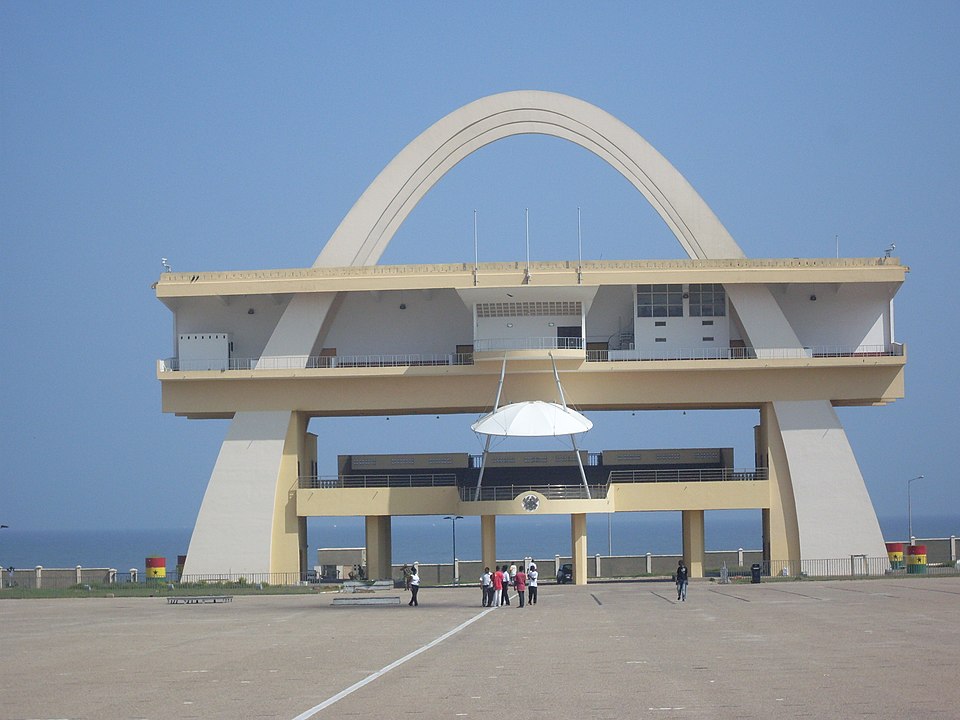
- Independence Square (Black Star Square)
Independence Square remains Ghana’s principal ceremonial space, developed in the early years following independence. It continues to host national events and public gatherings, and stands as a visible symbol of the country’s political history. - Kwame Nkrumah Memorial Park
Located on the site where Ghana’s independence was declared in 1957, the park is dedicated to the country’s first president. The mausoleum and museum offer insight into Kwame Nkrumah’s role in shaping both Ghana’s trajectory and wider pan-African thought. - National Museum of Ghana
As the country’s principal museum, it provides an overview of Ghana’s history, cultural traditions and artistic heritage. Its collections offer a concise introduction for visitors seeking context beyond the conference setting. - Jamestown and Jamestown Lighthouse
One of Accra’s oldest districts, Jamestown is defined by its fishing community and traces of colonial-era architecture. The lighthouse remains a local landmark, overlooking a neighbourhood where past and present continue to intersect. - Makola Market
Makola Market is one of Accra’s busiest commercial centres and a key part of the city’s daily life. It offers a direct view of informal trade and local enterprise, from textiles and produce to household goods – a must see! - Labadi Beach
Located adjacent to the conference venue, Labadi Beach provides immediate access to the Atlantic coastline. It serves as both a social and informal meeting space, particularly in the evenings, offering a change of pace from the conference programme.
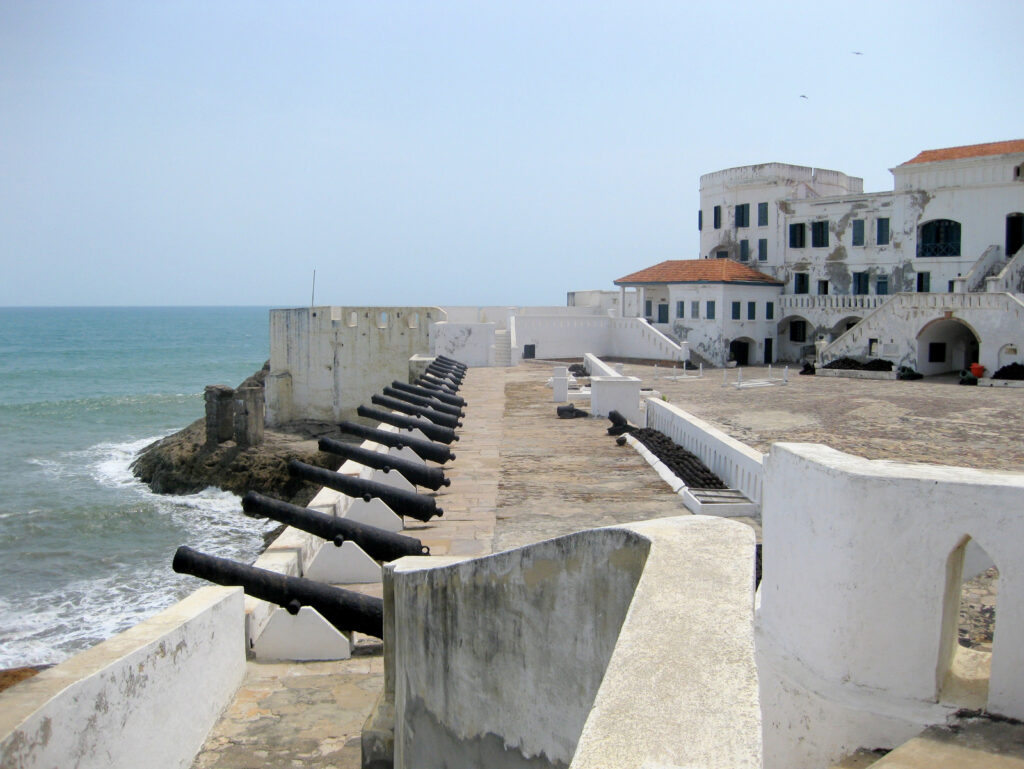
Cape Coast and Elmina: Historical Landmarks
Located approximately 2-3 hours west of Accra, Cape Coast and Elmina offer important historical context within relatively accessible distance from the capital.
- Cape Coast Castle is one of the most significant historical sites in Ghana, closely associated with the transatlantic slave trade. Today, it functions as a museum, offering visitors a structured and often sobering account of this period and its lasting impact.
- Elmina Castle the oldest European building in sub-Saharan Africa, dates back to the 15th century. Like Cape Coast Castle, it is closely tied to the history of the transatlantic slave trade and provides further insight into the scale and structure of this system.
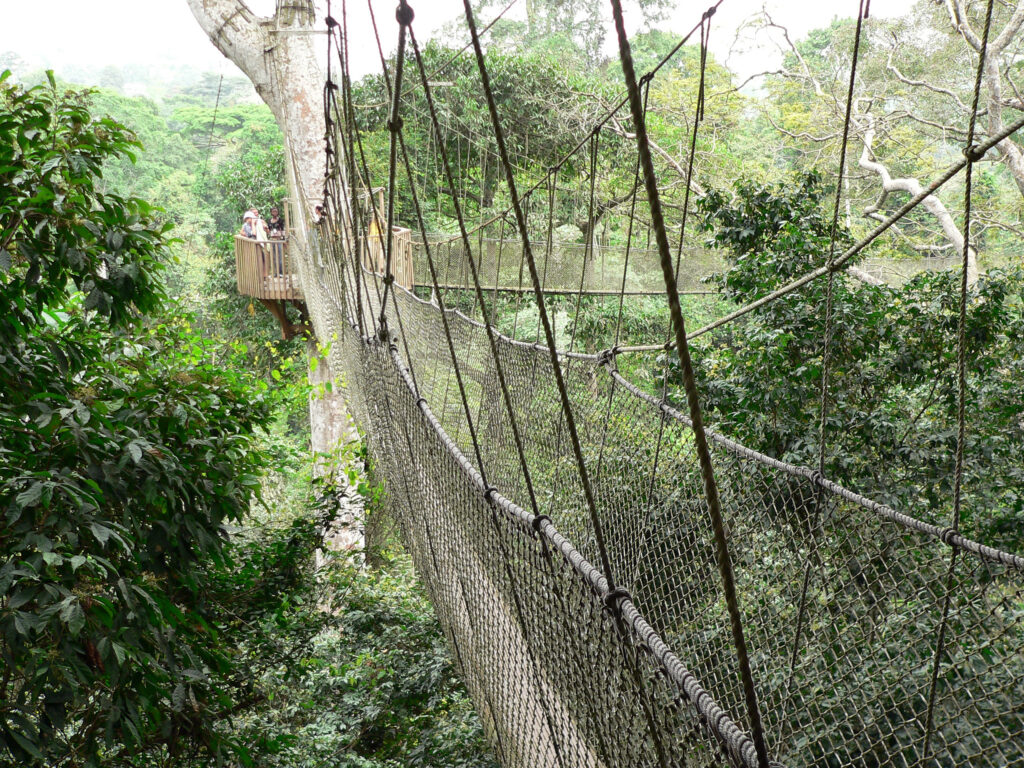
Natural Landscapes: Forest and Savannah
Beyond the capital, Ghana’s beautiful natural environment offers a diverse range of landscapes within manageable travel distances.
- Kakum National Park (≈2.5-3 hours from Accra via Cape Coast)
Located inland from Cape Coast, Kakum National Park is best known for its canopy walkway, which runs through the upper levels of the rainforest. This park offers a structured way to experience Ghana’s forest environment and is one of the country’s most frequently visited natural sites. - Mole National Park (≈10 hours / ~690 km from Accra)
Situated in northern Ghana, Mole National Park is the country’s largest protected area and is characterised by open savannah. Visitors can encounter wildlife, including elephants, through guided excursions. Although the distance typically requires extended travel or an overnight stay, this national park is a must see for nature lovers. - Volta Region – Wli and Boti Falls (≈3-4 hours from Accra)
The Volta Region offers a contrasting landscape of forested hills and waterfalls. Sites such as Wli Falls – the highest waterfall in Ghana – and Boti Falls are accessible as longer day trips or short stays from Accra.
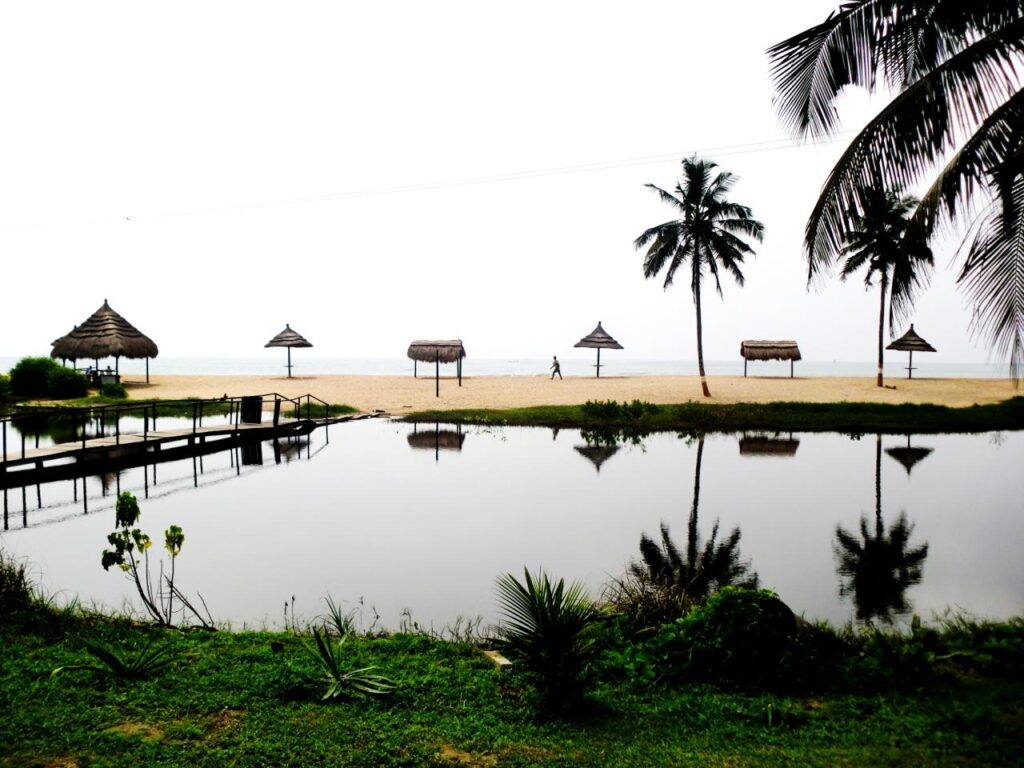
Coastal Destinations Beyond Accra (≈2-4 hours)
Within driving distance from Accra, you can experience Ghana’s coastline by visiting Kokorobite, Busua or Axim.
- Kokrobite (≈1 hour from Accra)
Located a short drive from the capital, Kokrobite is a popular coastal escape known for its more relaxed atmosphere. It is often visited as a day trip, offering a contrast to Accra’s urban pace. - Busua and Axim (≈4-5 hours / ~220-230 km)
Further along the coast, Busua and Axim offer a slower pace and a more locally rooted coastal experience. Smaller guesthouses and fishing communities define the area, providing a quieter alternative for those extending their stay.
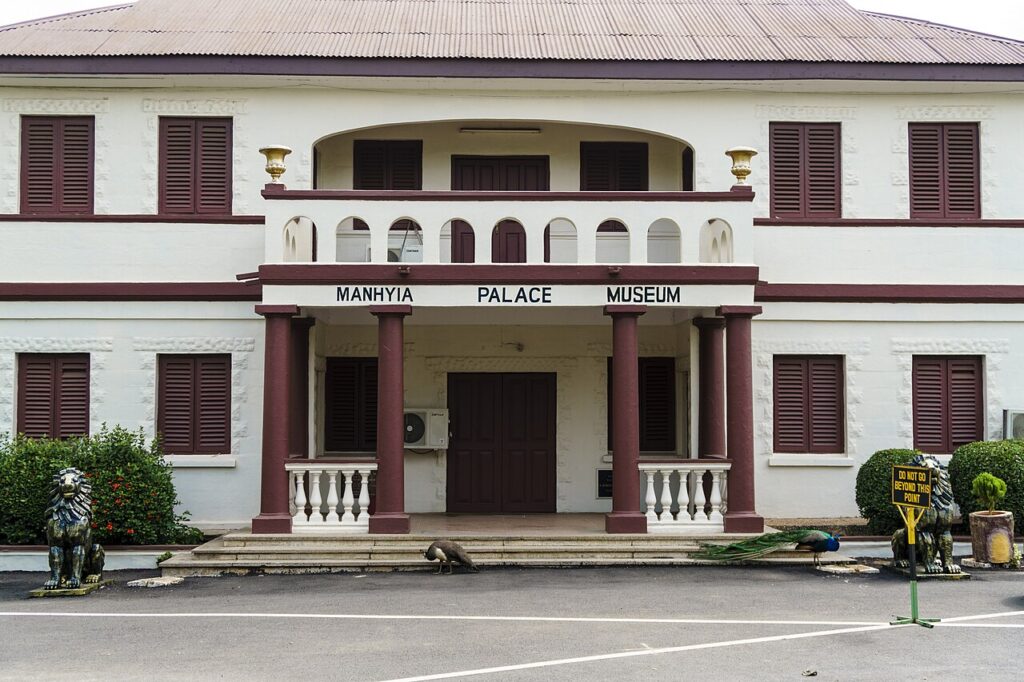
Kumasi and the Ashanti Region (≈4-5 hours / ~200-250 km)
Located inland from Accra, Kumasi is widely regarded as Ghana’s cultural centre and remains central to the country’s historical identity. The journey typically takes around four to five hours by road.
- Manhyia Palace Museum
The Manhyia Palace Museum offers insight into the Ashanti Kingdom and its continued cultural and political significance. It provides historical context on leadership, governance and tradition within the region. - Craft traditions: Kente and Adinkra
The Ashanti Region is closely associated with kente cloth and adinkra symbols, both of which carry specific cultural meanings and remain widely used today. Visitors can observe aspects of this craftsmanship and its role in contemporary Ghanaian identity. - Kumasi Central Market
One of the largest markets in West Africa, Kumasi Central Market is a major hub of trade and daily activity. It offers a direct view of the region’s commercial life and local enterprise.
A part of Ghana’s appeal lies in the accessibility of varied experiences within a relatively compact geography. From the conference base at Labadi Beach Hotel, visitors can explore many of Accra’s key sites within a single day, while destinations such as Cape Coast, Kakum National Park and Kumasi offer further depth for those extending their stay. This year’s setting provides an opportunity to engage not only with the conference, but also with the beauty and history Ghana has to offer.
By Warren Janisch